

Preface: I was lucky enough once to find a copy of the book ‘Decent of Man’. I discovered in a box of books priced only 20p. Once home, I realised it was a 2nd edition and worth considerably more. Until this day I have never sold it, instead I have kept it in my bookshelf like a small treasure, preserved, with love. This is by no means a comprehensive tale of his life and work, but like most of my tales just a snippet to lead you into the subject.
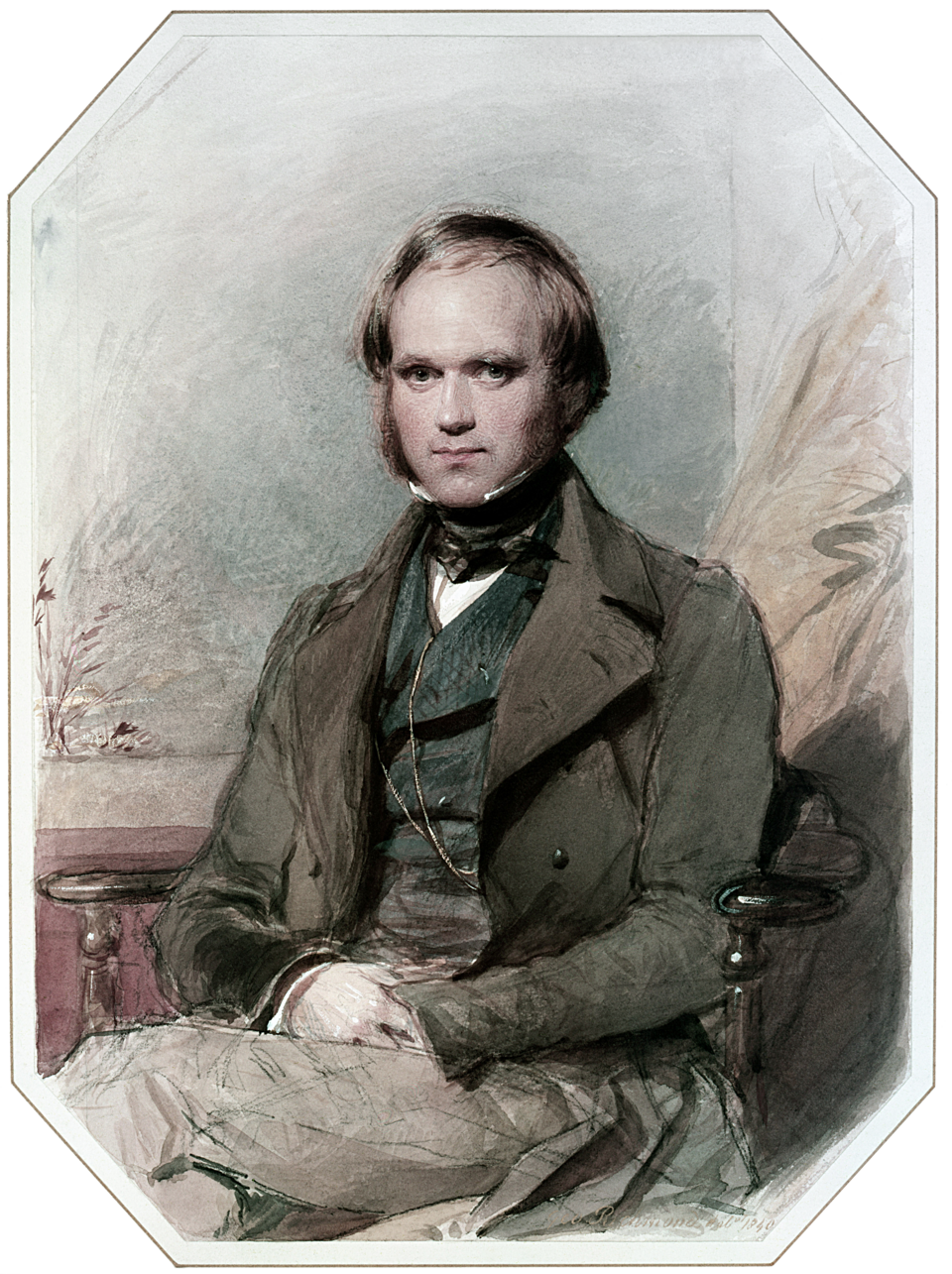
On the deck of the HMS Beagle, a young Charles Darwin stood still as the ship itself breathed life. The ropes creaked, gulls spiraled overhead, and the cold wind tasted of salt and uncertainty. At twenty-two, he felt as if the world were opening before him like a book he had not yet learned how to read, but desperately wanted to.
He could still hear his father’s stern words echoing in memory, “You care for nothing but shooting, dogs, and rat-catching.” Yet even that admonition could not quench the odd ache of curiosity that lived within him. It had always been there.
Captain FitzRoy stepped beside him, boots clicking sharply on the planks. His gaze was hard and bright as a blade. “Mr. Darwin,” he said, “one must meet the world with courage, not hesitation.”
Darwin nodded. “Then let me try,” he answered, though his voice trembled.
FitzRoy gave a single approving nod and turned away. Moments later the Beagle lifted its anchor, and Darwin felt the hull shudder as the ocean claimed them. The voyage had begun.
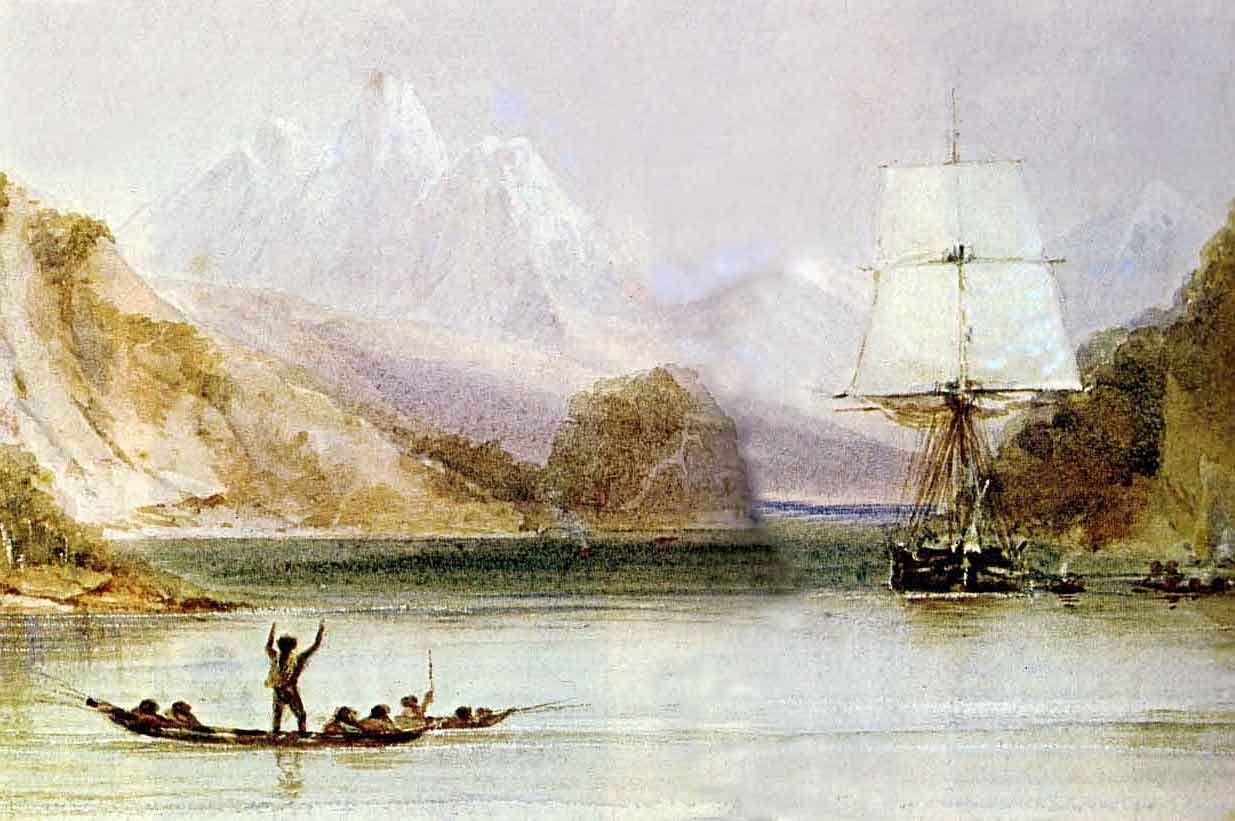
The early weeks were torment. Seasickness conquered him daily, he clung to railings with shaking hands, half-convinced he was going to die at sea. But nature, vast, exuberant and patient waited for him.
When the ship reached Brazil, the world unfurled in a cascade of color and sound. Sunlight spilled through leaves like molten gold. Butterflies shimmered like fragments of sky. Vines twisted themselves into living cathedrals. He wrote home in a fever of awe, “Here everything is new, everything is beautiful!”
He wandered with the dreamy intensity of someone stumbling into a realm of myth. The sailors teased him affectionately for pockets filled with beetles and stones, but he hardly noticed. Every living thing felt like a clue, small, exquisite, and vibrating with meaning.
In Patagonia, he stood before fossil-studded cliffs, fingers brushing the ancient bones of megatherium and toxodon, creatures so massive and strange they seemed to belong to a forgotten world. The idea that species had changed, shifted and transformed began fluttering in his mind.
In the autumn of 1835, the Beagle reached the Galápagos. Here the world seemed stripped to essentials, black volcanic stone, scattered scrub, strange reptiles basking under a sun that felt older than time. Darwin walked the baked ground with slow, attentive steps. The giant tortoises lumbered with primeval grace. The mockingbirds differed subtly from island to island. And then there were the finches, small, unremarkable creatures that would one day shake the foundations of science. A local governor declared proudly, “By the shell alone, I can tell you from which island each tortoise has come.”
He wrote a note to himself that would become immortal, “One might fancy that from an original stock, one species had been taken and modified for different ends.” He did not yet understand the magnitude of what he was seeing, but the world had already begun telling its secrets to him.
England welcomed him home in 1836, but Darwin returned transformed. He married Emma, gentle and steadfast, whose faith brushed tenderly against the edges of his growing doubt. Their love was a soft place in a world of questions.
Down House soon became both sanctuary and laboratory. In the gardens, Darwin watched climbing vines reach toward sunlight with purposeful grace. Indoors, he arranged specimens like puzzle pieces waiting to be fit together.
His notebooks filled with thoughts:
“Species are not immutable.”
“One species does change into another.”
“Natural selection.”
He hesitated, the idea was vast, almost unbearable. It felt as if the ground beneath all of nature were shifting. In a private moment he wrote:
“It is like confessing a murder.”
And so he looked for the armour in evidence. Years passed, years spent studying barnacles, orchids, pigeons, earthworms. Years pacing the Sandwalk, the leafy path behind Down House, circling again and again as he arranged thoughts like stones along his route.
Then, in June 1858, as summer warmed the English countryside, a letter arrived from the Malay Archipelago. It was from Alfred Russel Wallace, a naturalist Darwin admired for his sharp, daring mind. Darwin opened the pages expecting descriptions of insects and islands. Instead, he found his own secret thoughts mirrored back to him, clearly, beautifully, unmistakably. “Natural selection…” he said, the words jumping at him. Wallace had discovered the same mechanism.
Darwin wrote in despair to his friend Lyell, “All my originality, whatever it may amount to, will be smashed.” But he chose to honour it and agreed to a joint presentation. On July 1, 1858, their theories were read aloud at the Linnean Society.
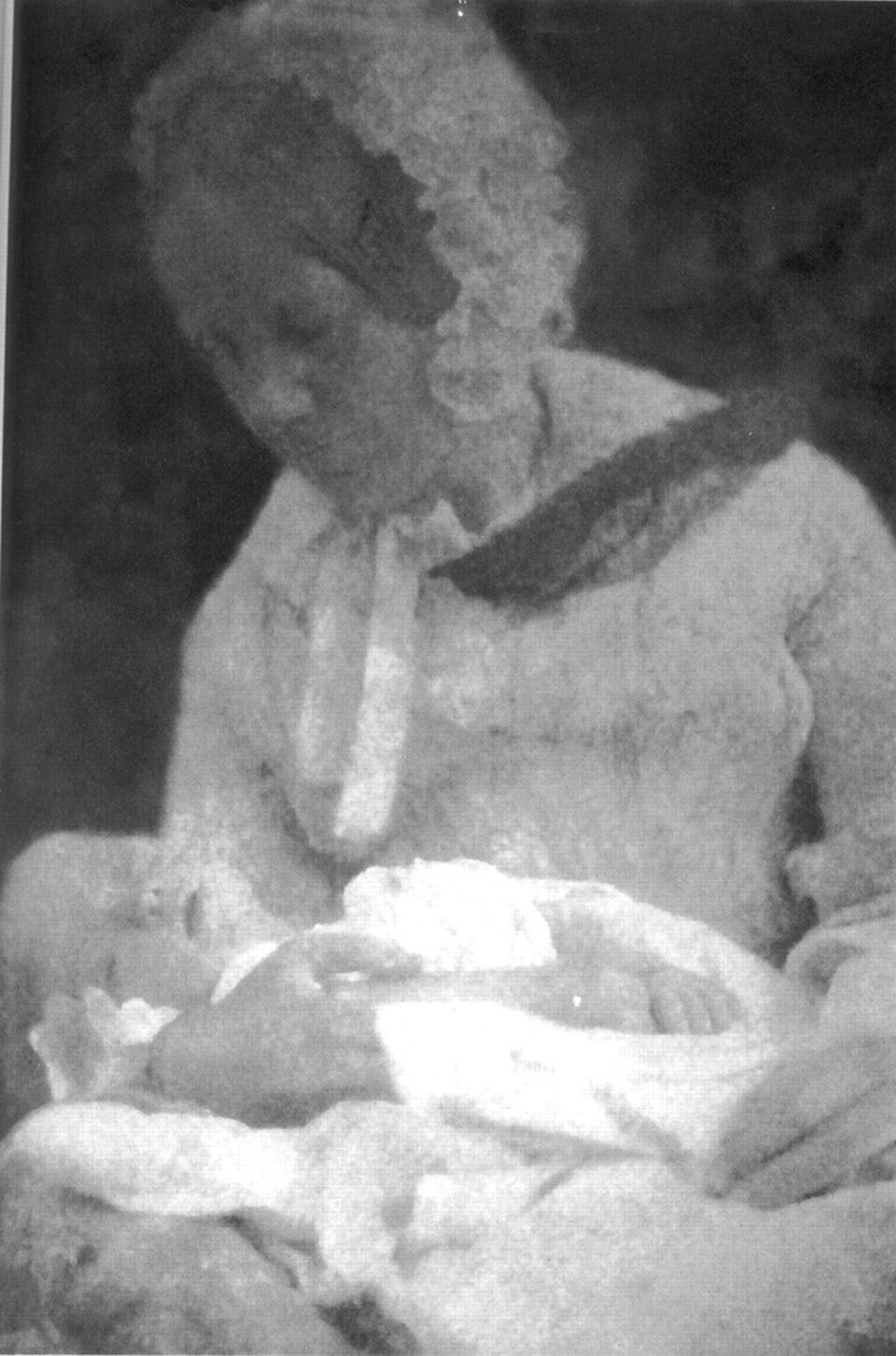
Darwin, shattered by the recent death of his infant son Charles Waring, could not attend. While others introduced evolution to the world, Darwin stood alone in grief at Down House, their child’s small footprints in memorial.
A year later, On the Origin of Species appeared. Darwin had poured every ounce of caution, rigor, and wonder into it. He hoped only that the truth, would speak for itself.
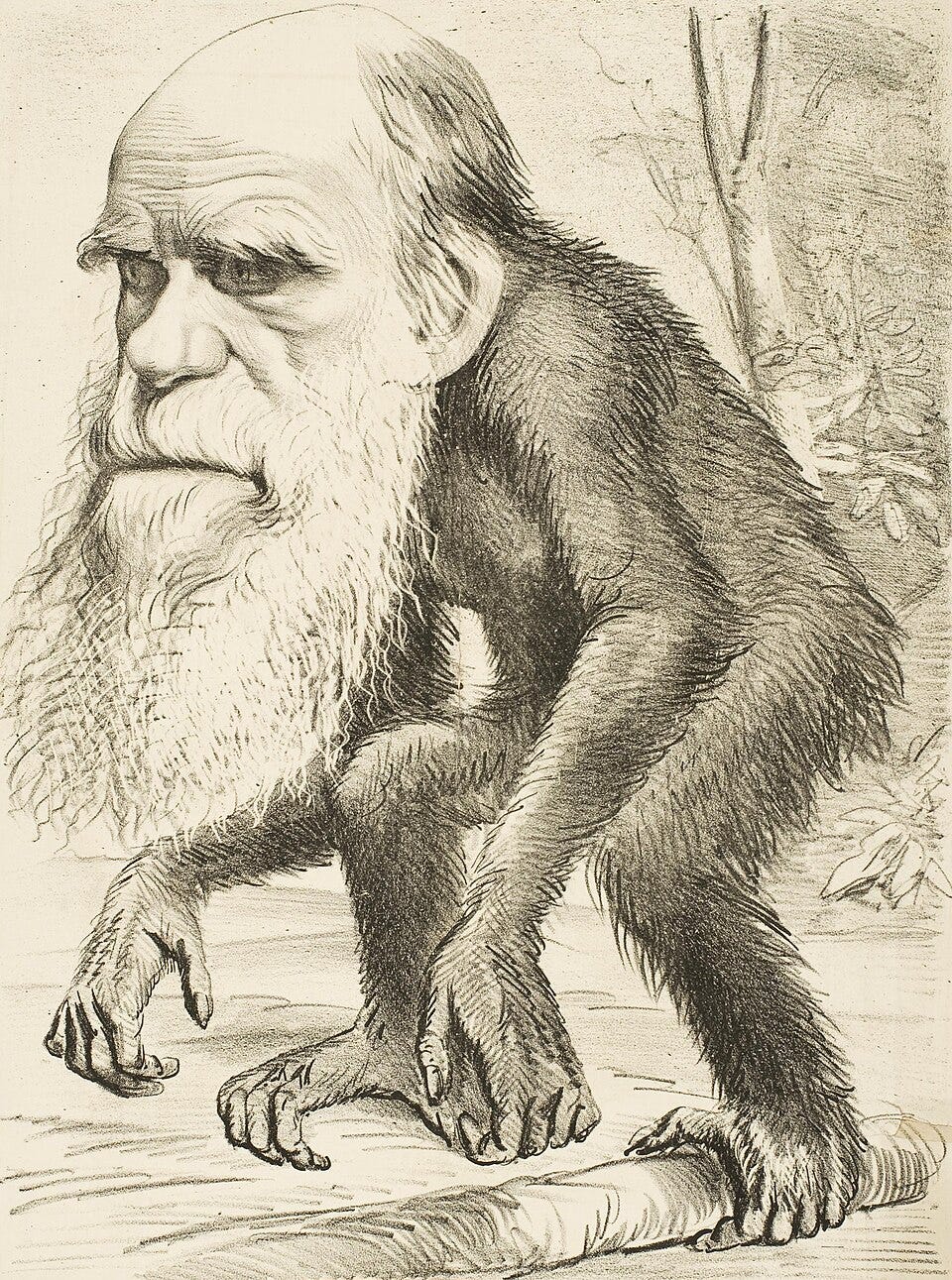
The first edition sold out immediately. Critics raged and cartoonists mocked him, merging his face with that of an ape. But many scientists recognized his work.
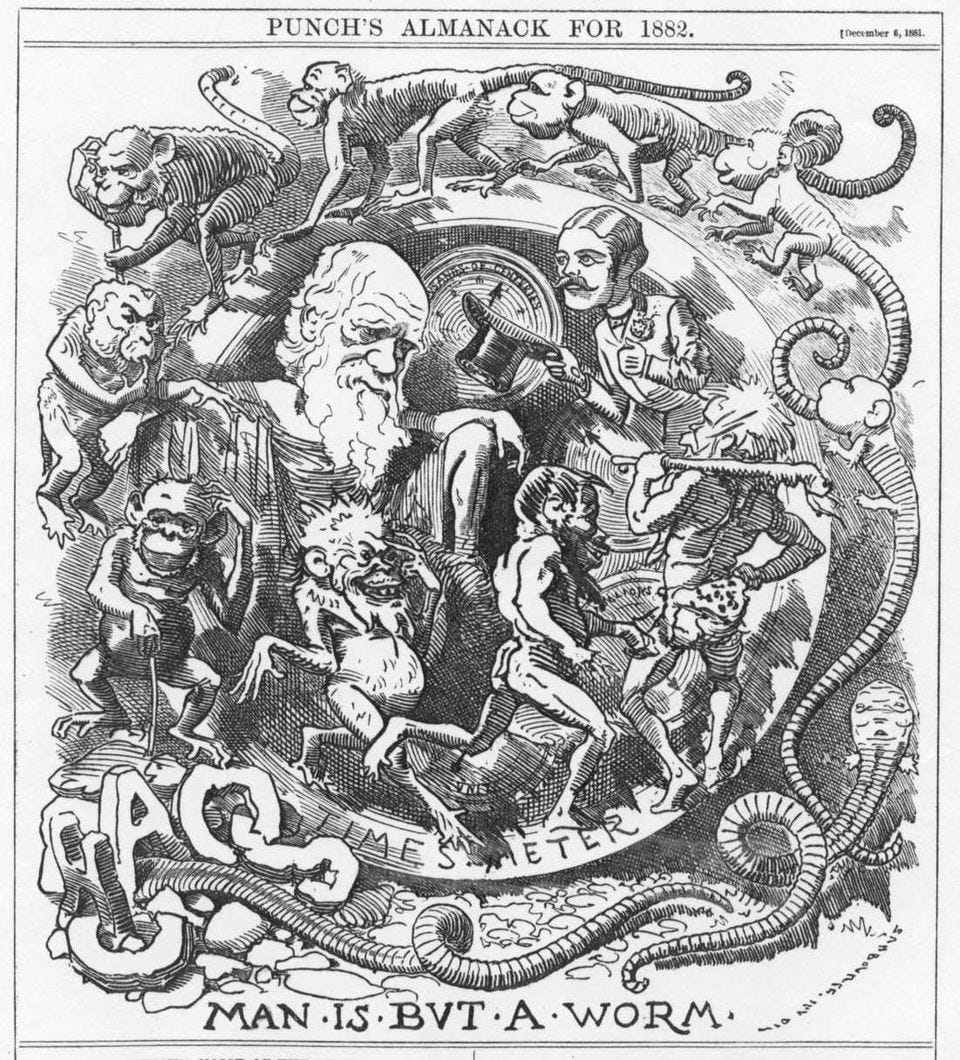
Darwin wrote with calm satisfaction, “My work has made a little stir… I am well content.”
He avoided the public battlefield. Instead, he returned to the gentle rhythms of Down House, studying orchids, unraveling the descent of man, observing earthworms with the reverence others reserved for starlight. His walks along the Sandwalk grew slower with age, but the spark in him never dimmed. Nature was still a conversation partner, murmuring its wonders through leaf and soil.
When Darwin died in 1882, England honoured him in a manner he had never sought, burial in Westminster Abbey beside Isaac Newton. A quiet naturalist, once dismissed as a collector of beetles, laid to rest among giants.
The world he left behind was different from the one he had entered. He had revealed a universe in motion, alive with transformation. He had taken the riddles of nature and woven them into a vision that reshaped human understanding.
Long before he wrote it, he had lived it:
“There is grandeur in this view of life.”
And through his eyes, the world still glows with that grandeur, restless, wondrous, and ever-changing.
Further reading;
Charles Robert Darwin (12 February 1809 – 19 April 1882) was an English naturalist, geologist, and biologist, widely known for his contributions to evolutionary biology. His proposition that all species of life have descended from a common ancestor is now generally accepted and considered a fundamental scientific concept.
The Voyage of the Beagle, originally published as Journal and Remarks, is an 1839 book written by Charles Darwin, covering his research and activities during the second survey expedition of the ship HMS Beagle, bringing him considerable fame and respect.
On the Origin of Species is a work of scientific literature by Charles Darwin that is considered to be the foundation of evolutionary biology.
The Descent of Man, and Selection in Relation to Sex is a book by English naturalist Charles Darwin, first published in 1871, which applies evolutionary theory to human evolution, and details his theory of sexual selection, a form of biological adaptation distinct from, yet interconnected with, natural selection. Darwin used the word “descent” to mean lineal descendant of ancestors.
A TedTalk by the great great grandson of Charles Darwin;
My wish for us semi-evolved primates that when one of us (or all of us!) is asked if they are religious, they’d quit saying “no, i am spiritual but not religious” - and start saying, “no, I’m am a Darwinist.”
Outstanding piece Mai! 🙌